Allergic Rhinitis: Causes, Symptoms & Long-Term Treatment
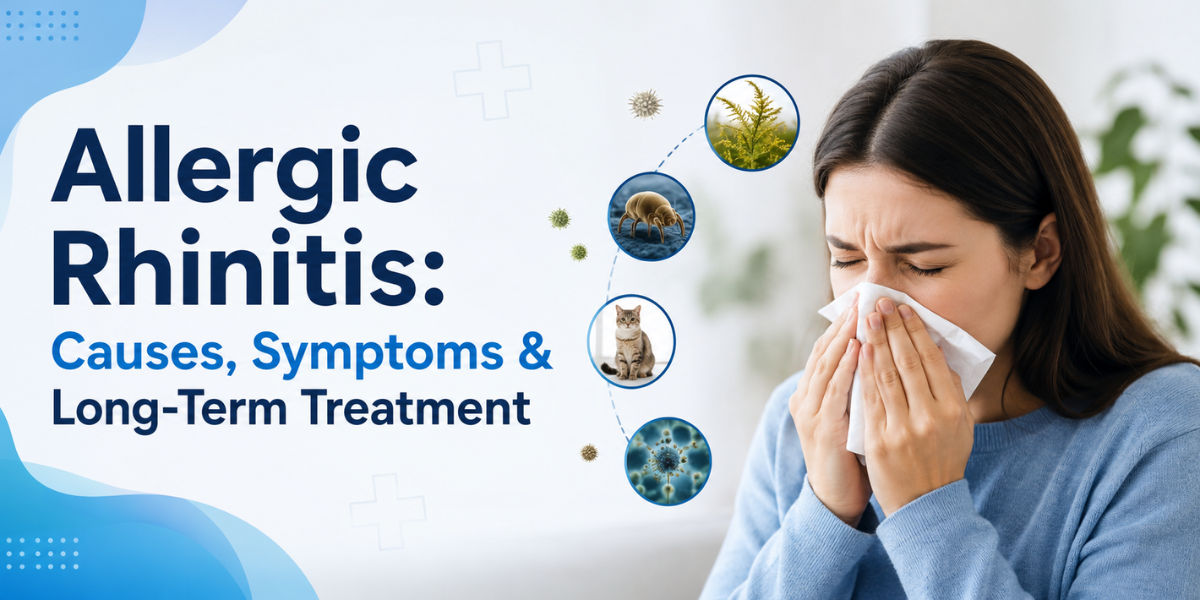
Allergic rhinitis is a common condition that affects the nose and causes symptoms such as sneezing, nasal congestion, itching, and a runny nose. It occurs when the immune system reacts to harmless substances called allergens, causing inflammation inside the nasal passages.
Many people experience allergic rhinitis during specific seasons, while others may have symptoms throughout the year due to continuous exposure to allergy triggers. Although it is not usually a serious condition, untreated allergic rhinitis can affect sleep, concentration, breathing comfort, and overall quality of life.
What Is Allergic Rhinitis?
Allergic rhinitis, also known as hay fever, occurs when the body’s immune system mistakenly identifies harmless airborne substances as harmful. This reaction leads the body to produce chemicals such as histamine, resulting in inflammation, irritation, and swelling of the nasal passages.
The condition is mainly divided into two types. Seasonal allergic rhinitis occurs during certain times of the year due to pollen exposure, while perennial allergic rhinitis occurs throughout the year because of continuous exposure to allergens such as dust mites and pet dander.
Causes of Allergic Rhinitis
Allergic rhinitis can be caused by various environmental factors. Common causes include:
Dust Mites
Dust mites are tiny organisms found in household dust, mattresses, pillows, carpets, and furniture. Their particles can trigger allergic reactions and cause frequent nasal symptoms.
Pollen
Pollen from trees, grasses, and flowers is a major cause of seasonal allergies. People sensitive to pollen may experience increased symptoms during certain seasons.
Pet Dander
Pets can release skin flakes, saliva particles, and other allergens that may cause allergic reactions in sensitive individuals.
Mold Spores
Mold commonly grows in damp areas and releases spores into the air. Inhaling these spores can trigger allergy symptoms.
Pollution and Irritants
Smoke, vehicle pollution, strong perfumes, and chemical fumes can worsen allergic rhinitis symptoms and increase nasal irritation.
Symptoms of Allergic Rhinitis
Symptoms may vary depending on the severity of the allergy and exposure to triggers. Common symptoms include:
- Frequent sneezing
- Runny or watery nose
- Nasal blockage
- Itching in the nose, throat, or eyes
- Postnasal drip
- Reduced sense of smell
- Facial pressure or headache
- Difficulty sleeping due to breathing discomfort
In children, allergic rhinitis may also lead to tiredness, poor concentration, and mouth breathing.
Diagnosis of Allergic Rhinitis
An ENT specialist diagnoses allergic rhinitis by evaluating symptoms, medical history, and possible allergy triggers. A physical examination of the nose and throat may be performed to identify inflammation or related problems.
In some cases, allergy testing may be recommended to identify specific allergens. Accurate diagnosis helps doctors create an effective treatment plan for long-term relief.
Long-Term Treatment and Management
Managing allergic rhinitis requires controlling symptoms and reducing exposure to allergens. Effective treatment methods include:
Avoiding Allergens
Reducing contact with allergy triggers is an important step. Regular cleaning, washing bedding, improving ventilation, and maintaining a dust-free environment can help prevent symptoms.
Medications
Doctors may recommend antihistamines, nasal sprays, or other medicines based on the severity of symptoms. These treatments help reduce inflammation and improve breathing comfort.
Allergy Immunotherapy
For people with persistent allergies, allergy immunotherapy may be suggested. This treatment gradually exposes the body to small amounts of allergens to reduce sensitivity and provide long-term improvement.
Lifestyle Changes
Staying hydrated, avoiding smoke exposure, maintaining clean indoor air, and following healthy habits can support better allergy control.
When Should You Consult an ENT Specialist?
Many people manage allergy symptoms temporarily without treating the underlying cause. However, untreated allergic rhinitis may lead to complications such as sinus problems, chronic nasal blockage, ear infections, and breathing difficulties.
Consulting an ENT specialist is recommended if symptoms occur frequently, disturb sleep, affect daily activities, or do not improve with basic treatments. Early medical guidance can help prevent complications and provide better symptom control.
Conclusion
Allergic rhinitis can significantly impact your daily life if symptoms are ignored or managed only with temporary solutions. Proper diagnosis, avoiding triggers, and following the right treatment approach can help control allergies and improve your overall well-being.
If you experience continuous sneezing, nasal blockage, runny nose, or allergy-related discomfort, professional evaluation can help identify the exact cause and provide effective long-term relief. For trusted Allergy Treatment in Hubli, consult an experienced ENT Doctor in Hubli for personalized care and advanced treatment options. DANDI ENT HOSPITAL, recognised as the Best ENT Specialist in Hubli, offers expert solutions for allergic rhinitis and other ear, nose, and throat conditions, helping patients breathe better and maintain a healthier lifestyle.