Cochlear Implant Surgery: Complete Guide for Patients
Hearing plays an important role in communication, learning, and maintaining relationships. For individuals with severe to profound hearing loss, regular hearing aids may not always provide enough improvement. In such cases, cochlear implant surgery can be an advanced treatment option that helps restore access to sound and improves communication.
A cochlear implant is an electronic hearing device designed for people with damage to the inner ear. Unlike hearing aids that amplify sounds, cochlear implants directly stimulate the auditory nerve, helping the brain understand sound signals more effectively.
What Is a Cochlear Implant?
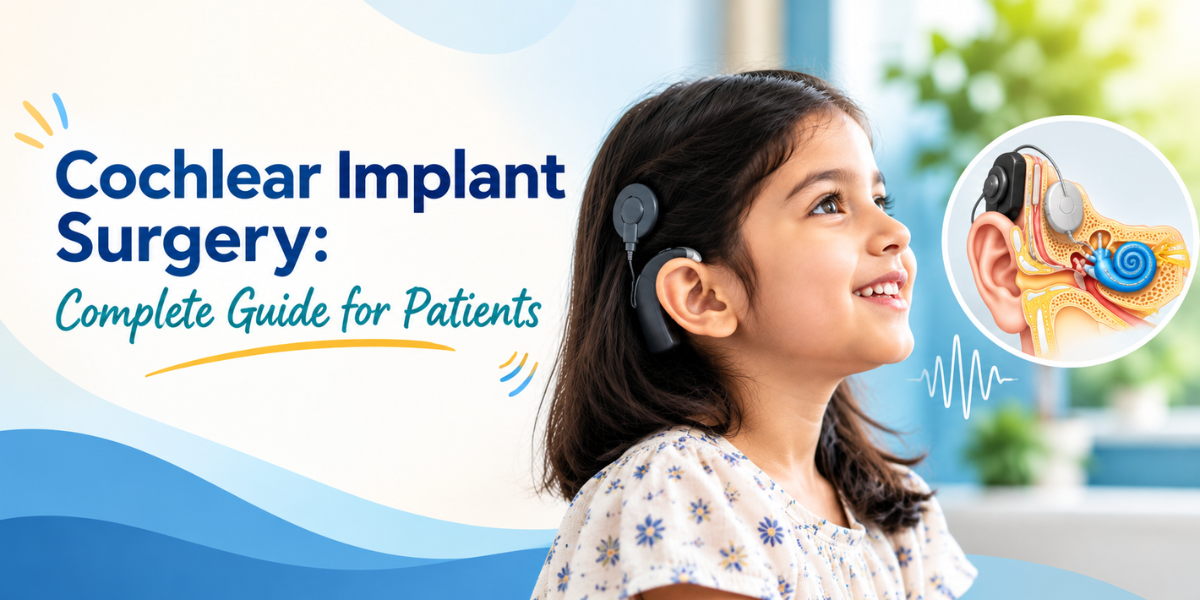
A cochlear implant is a medical device that helps individuals with severe hearing loss perceive sounds. It consists of two main parts: an external sound processor and an internal implant.
The external processor captures sounds from the environment and converts them into digital signals. These signals are sent to the internal implant placed beneath the skin behind the ear. The implant stimulates the hearing nerve, allowing the brain to interpret sounds.
Who Can Benefit From Cochlear Implant Surgery?
Cochlear implant surgery is recommended for people with severe to profound hearing loss who do not receive enough benefit from hearing aids. Both children and adults can be considered after a detailed evaluation.
For children, early treatment can support speech and language development, learning, and social communication. Adults who have lost hearing due to aging, infections, injuries, or other medical conditions may also benefit by improving their ability to communicate and participate in daily activities.
Evaluation Before Surgery
Before cochlear implant surgery, patients undergo a complete assessment to determine whether they are suitable candidates. This may include hearing tests, speech assessments, imaging scans, and medical examinations.
The doctor evaluates the condition of the inner ear, hearing nerve, and overall health. Patient expectations and commitment to rehabilitation are also considered before recommending the procedure.
How Is Cochlear Implant Surgery Performed?
Cochlear implant surgery is performed under general anaesthesia and usually takes a few hours. The surgeon makes a small incision behind the ear and places the internal implant under the skin. A thin electrode is carefully inserted into the cochlea to connect with the hearing pathway.
After surgery, the area is allowed to heal before the external sound processor is activated. The device is programmed according to the patient’s hearing needs, and regular follow-ups help improve performance.
Recovery and Rehabilitation After Surgery
Rehabilitation is an important part of the cochlear implant journey. After activation, patients may require auditory training and speech therapy to help the brain recognize and understand new sounds.
Children may need additional support for speech development, while adults may need time to adjust to hearing through the implant. Regular practice, device adjustments, and follow-up care contribute to better results.
Benefits of Cochlear Implants
Cochlear implants can improve awareness of sounds, speech understanding, and communication abilities. For children, they can support language development, education, and confidence. For adults, they can improve independence and social interaction.
The success of treatment depends on factors such as the duration of hearing loss, age at implantation, health condition, and dedication to rehabilitation.
Risks and Considerations
Like any surgery, cochlear implant procedures may involve risks such as infection, discomfort, dizziness, or device-related problems. However, with advanced techniques and experienced medical care, complications can be minimized.
Patients should discuss their concerns and expectations with their doctor before surgery. Choosing an experienced ENT specialist and proper hearing care team is important for achieving safe and effective outcomes.
Conclusion
Cochlear implant surgery is a major advancement in hearing care that can help individuals with severe hearing loss reconnect with the world of sound. With proper evaluation, expert surgical care, and consistent rehabilitation, patients can experience improved hearing, communication, and quality of life.
If you or your loved one is considering Cochlear implant surgery in Hubli, consulting the right medical team can help you understand the best treatment options. At Dandi ENT Clinic, patients receive expert evaluation, advanced ENT care, personalized treatment plans, and continuous support throughout their hearing restoration journey. Consult a trusted ENT specialist in Hubli to take the right step toward better hearing and a more confident future.