Endoscopic Skull Base Surgery: Advanced Techniques, Benefits & Recovery
The skull base is a complex area located at the bottom of the skull, where the brain connects with important structures such as nerves, blood vessels, and the nasal passages. Treating conditions in this region requires advanced surgical skills and precise techniques. Endoscopic Skull Base Surgery is a modern minimally invasive approach that allows surgeons to access and treat skull base problems through the natural openings of the nose, reducing the need for large external incisions.
With advancements in medical technology, this procedure has become a preferred option for managing various skull base conditions while improving patient comfort, safety, and recovery outcomes.
What Is Endoscopic Skull Base Surgery?
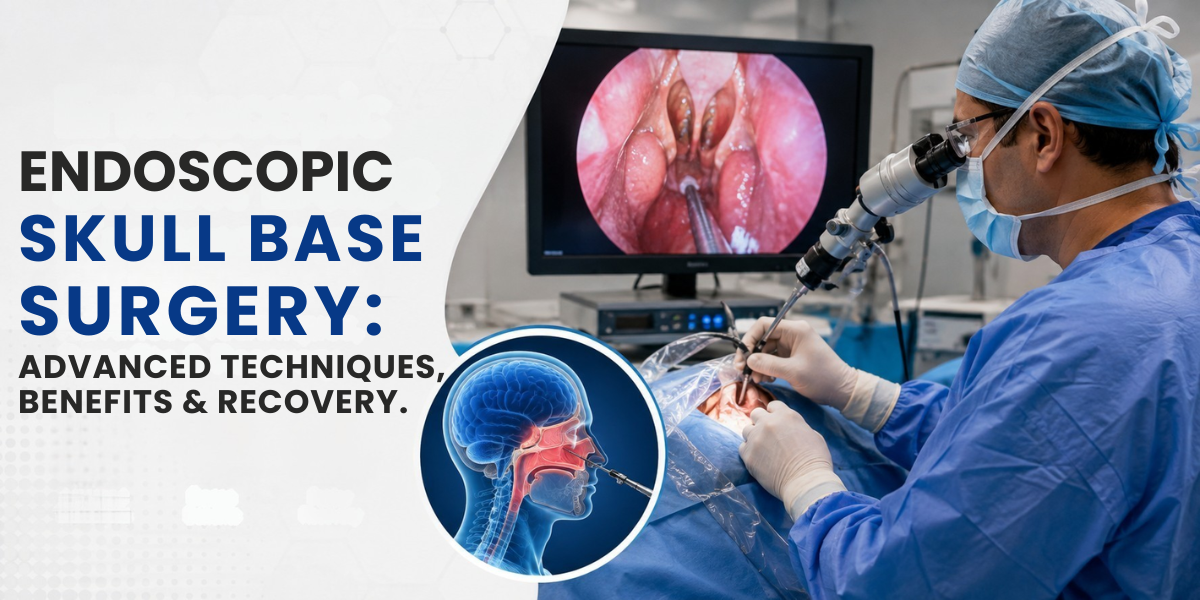
Endoscopic Skull Base Surgery is a minimally invasive procedure performed using a thin, flexible instrument called an endoscope. The endoscope contains a small camera that provides a clear, magnified view of the surgical area. Surgeons carefully navigate through the nasal passages to reach the skull base and remove or treat abnormal growths, tumors, or other conditions.
Unlike traditional open skull base surgeries that may require larger incisions and longer recovery periods, the endoscopic approach focuses on reducing tissue damage while maintaining surgical accuracy.
Medical Conditions Managed with Endoscopic Skull Base Surgery
This advanced technique is used to treat several conditions affecting the skull base, including:
- Skull base tumors
- Pituitary gland tumors
- Meningiomas
- Cerebrospinal fluid leaks
- Nasal and sinus-related skull base disorders
- Certain benign and malignant growths near critical nerves and blood vessels
A detailed evaluation, including imaging tests such as MRI or CT scans, helps surgeons determine whether endoscopic surgery is the right treatment option for each patient.
Advanced Techniques Used in Endoscopic Skull Base Surgery
Modern skull base procedures involve advanced technologies that improve precision and safety. High-definition endoscopes provide surgeons with detailed views of delicate structures. Navigation systems help guide instruments accurately by creating a digital map of the patient’s anatomy.
In some cases, surgeons use advanced reconstruction techniques to repair the skull base after surgery. This helps prevent complications such as cerebrospinal fluid leaks and supports proper healing.
The combination of experienced surgical expertise, advanced equipment, and careful planning allows surgeons to perform complex procedures through smaller access points.
Benefits of Endoscopic Skull Base Surgery
Endoscopic Skull Base Surgery offers several benefits compared to traditional surgical methods. Some important advantages include:
Reduced Surgical Trauma: Since the procedure is performed through the nasal pathway, there is less damage to surrounding tissues.
Faster Recovery: Patients often experience shorter hospital stays and can return to normal activities sooner compared to conventional surgery.
Less Pain and Scarring: The minimally invasive approach reduces external cuts, resulting in minimal visible scarring and reduced discomfort.
Improved Visualization: Advanced cameras provide a clear view of difficult-to-reach areas, helping surgeons perform precise procedures.
Better Patient Outcomes: With proper diagnosis and skilled surgical care, many patients experience successful treatment results and improved quality of life.
Recovery After Endoscopic Skull Base Surgery
Recovery time varies depending on the complexity of the procedure and the patient’s overall health. Most patients require close monitoring after surgery to ensure proper healing and prevent complications.
During recovery, patients may experience mild nasal congestion, fatigue, or discomfort, which usually improves gradually. Doctors may recommend nasal care routines, medications, and follow-up visits to monitor progress.
Patients should follow their surgeon’s instructions carefully, avoid heavy physical activities during the recovery period, and attend regular check-ups. Early detection of any unusual symptoms helps ensure a smooth recovery process.
Why Choosing an Experienced Skull Base Surgeon Matters
The skull base contains many sensitive structures, including important nerves and blood vessels. Therefore, choosing a skilled and experienced surgeon is essential for achieving safe and effective results.
An experienced ENT skull base surgeon combines knowledge of ear, nose, and throat anatomy with advanced surgical techniques to manage complex conditions. Proper diagnosis, personalized treatment planning, and advanced surgical facilities play an important role in successful outcomes.
Conclusion
Endoscopic Skull Base Surgery has transformed the treatment of complex skull base conditions by offering a safer, minimally invasive approach with improved precision and faster recovery. Patients looking for advanced treatment options should consult experienced specialists who understand the complexities of skull base procedures.
For expert evaluation and advanced care, Dandi ENT Clinic provides specialized guidance and treatment solutions. If you are searching for Skull Base Surgery in Hubli or need an experienced ENT Skull Base Surgeon in Hubli, Dandi ENT Clinic offers advanced expertise and patient-focused care for complex ENT and skull base conditions.